History
Steam Power’s Golden Age
During the nineteenth century a great transformation started in the UK and blossomed through the rest of the civilized world. It is hard to over-emphasize the impact that a single technical advance could have on history in such a short period of time. The technology was steam power, and one of its major impacts on ordinary life was in the field of transportation.
Within fifty years, in the period between 1830 and 1880 the railway network was created and rapidly expanded, changing Britain fundamentally and irrevocably.
In 1830, the journey between the capitals was a test of physical endurance. A traveller departing London for Edinburgh committed themselves to forty-five hours of continuous motion inside a cramped stagecoach. It was a world of rattling wheels, biting winds, and hurried meals snatched at coaching inns while horses were changed in the dead of night. To travel was to suffer, and the cost was a fortune only the gentry could afford.
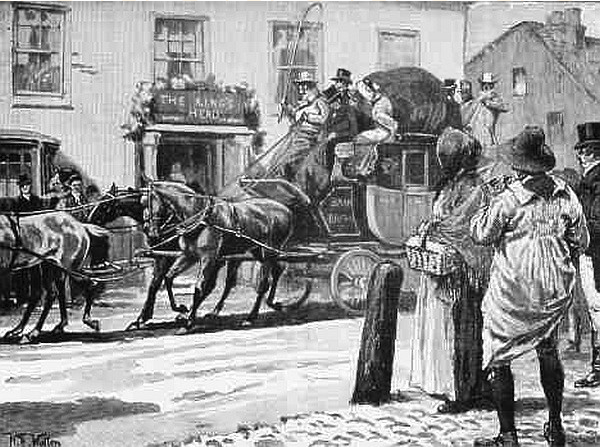
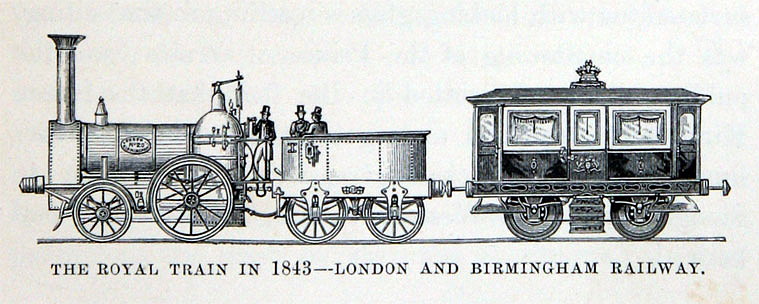
At first trains were crude and still relatively slow. Even Queen Victoria herself in her first train trip in 1842 could not have enjoyed that comfortable a journey, although she recorded in her diary that the ride was "delightful and quick".
Fifty years later, the world had changed. By 1880, the great steam express trains had turned this gruelling ordeal into a civilized business trip. The same journey now took a mere ten hours of smooth steaming. The roar of the turnpike had been replaced by the rhythm of the rail; the danger of the road replaced by the precision of the timetable.
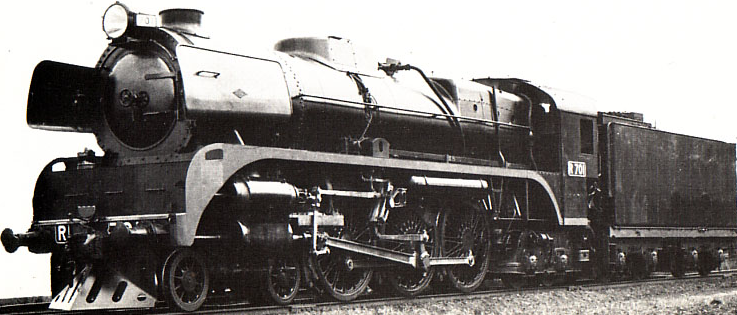
In half a century, steam had not just accelerated travel; it had conquered time itself.
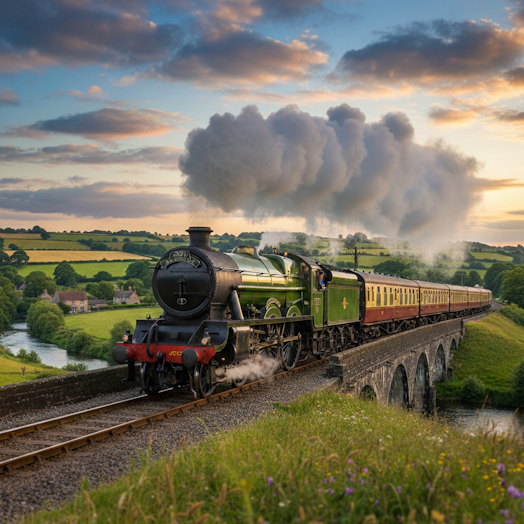
The ”Gold Rush” of Rail
Opportunities like this do not arise very frequently, and the Victorian age was not one to pass on the chance to make a great deal of money, so in the same period, a huge scramble took place to build railways, put them into operation and create huge profits. To this end, large numbers of rival companies (at one point over a hundred) were founded and created individual railway networks which spread over the country from Thurso to Penzance. The period was largely unregulated and convenient routes across the country were quickly grabbed, based on the geography of the country and the availability of the technology and finance needed to build bridges and tunnels. Obviously there are only so many “good” routes between two destinations, as well as a number of less good routes, so often companies which were bitter rivals on one set of routes, would be close co-operative partners on a different set. The geography of the country with the locations of mountain passes, rivers and lakes also played its part.
The commercial battles were immense and fortunes won and lost, but rail transport was both the child and the father of the industrial revolution, and through it, the modern world was created.
